
Resin Accessories: From Craft Trend to Scalable Creative Industry
1. What Are Resin Accessories?


8
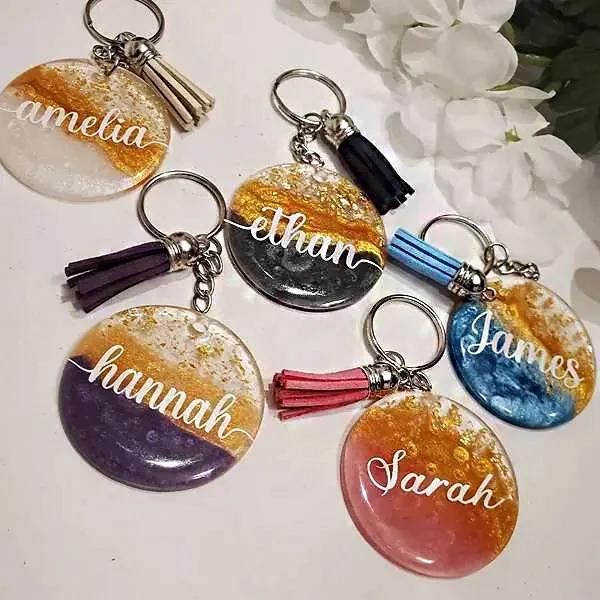
Resin accessories are items crafted by pouring liquid resin (typically epoxy or UV) into molds, then curing it into solid, durable forms. Artists often embed pigments, glitter, dried flowers, gold leaf, or even photographs.
Core characteristics:
- High visual clarity and gloss
- Customizable shapes and embedded elements
- Durable and water-resistant (depending on resin type)
2. Production Process (Technical Overview)


6
Step-by-step workflow:
- Material Preparation
- Resin + hardener (precise ratio, e.g., 1:1 or 2:1)
- Additives: pigments, inclusions
- Mixing Phase
- Controlled stirring (avoid air bubbles)
- Time-sensitive (working time: 20–40 min typically)
- Casting / Pouring
- Into silicone molds
- Layering possible for complex designs
- Bubble Removal
- Heat gun / torch application
- Curing
- 12–48 hours depending on resin type
- Finishing
- Sanding, polishing, drilling, hardware assembly
Critical failure points:
- Incorrect ratios → sticky or brittle outcomes
- Humidity/temperature fluctuations → cloudiness
- Dust contamination → surface defects
3. Product Categories & Use Cases


6
Main segments:
| Category | Examples | Market Appeal |
|---|---|---|
| Jewelry | Earrings, rings, pendants | High margins, fashion-driven |
| Functional | Keychains, phone grips | Personalized gifting |
| Home décor | Trays, coasters | Lifestyle & interior aesthetics |
| Keepsakes | Name pieces, memorial items | Emotional value |
4. Market Dynamics (Global + MENA Insight)
Global drivers:
- TikTok / Instagram visual trends (ASMR pouring, aesthetic crafts)
- Personalization economy (names, dates, custom colors)
- Growth of Etsy-style marketplaces
MENA-specific signals (Jordan & GCC):
- Strong gifting culture (weddings, Ramadan, graduations)
- Rising demand for Arabic calligraphy in resin
- Female-led microbusiness growth via Instagram shops
Constraint factors:
- Import dependency for quality resin materials
- Heat sensitivity (regional climate affects curing consistency)
- Limited local standardization (quality varies widely)
5. Economics & Business Model
Typical cost structure (small-scale):
- Raw materials: 30–40%
- Packaging & branding: 10–20%
- Labor (time-intensive): 20–30%
- Margin potential: 30–60% depending on branding
Unit economics example (earrings):
- Cost: $1.5–3
- Selling price: $8–20
- Margin: Highly brand-dependent
Scalability constraints:
- Manual production limits volume
- Quality consistency drops at scale without process control
6. Competitive Landscape
Three tiers:
- Hobbyists
- Compete on price
- Low consistency
- Instagram Brands (Mid-tier)
- Strong aesthetics
- Customization focus
- Core of the market
- Premium Designers
- Unique artistic identity
- Higher pricing ($30–100+ items)
- Limited editions
Key differentiators:
- Design language (minimal vs. maximal)
- Storytelling (cultural motifs, Arabic identity)
- Finishing quality (professional vs. DIY look)
7. Strategic Opportunities (Actionable)
High-potential angles:
- Arabic calligraphy resin (names, Quranic phrases)
- Wedding/engagement gifting sets
- Corporate branded merchandise (logos embedded in resin)
- Luxury resin décor (marble/gold aesthetic trays)
Operational edge:
- Invest in pressure pots (eliminates bubbles → premium finish)
- Standardize SKUs to scale production
- Develop signature color palettes
8. Risks & Mitigation
| Risk | Impact | Mitigation |
|---|---|---|
| Toxic fumes / safety | Health hazard | Proper ventilation, PPE |
| Product yellowing over time | Brand damage | Use UV-resistant resin |
| Market saturation | Price pressure | Differentiate via branding |
| Climate sensitivity | Defects | Controlled indoor environment |
9. Future Outlook
- Transition from “DIY craft” → “design-led micro luxury”
- Integration with AI-generated designs and custom molds
- Growth in eco-resin alternatives (bio-based materials)
- Expansion into hybrid materials (wood + resin, metal + resin)
Bottom Line
Resin accessories sit at the intersection of art, personalization, and commerce. The barrier to entry is low, but sustainable success depends on:
- Process precision
- Brand identity
- Consistent quality